Facing domestic violence charges in Dallas, TX, can feel overwhelming, especially when serious allegations, criminal charges, and the risk of a permanent criminal record can affect your future, your family, and your freedom, making it very important to understand your rights, the legal system, and the possible defenses available in domestic violence cases.
At Garcia, Garcia & Mullen, our Dallas domestic violence lawyer helps you protect your constitutional rights, build a strong defense, and handle domestic violence cases with care, whether you are facing domestic violence allegations, false accusations, or serious criminal offenses that may lead to severe penalties in Dallas courts.
Domestic violence under Texas law is also called family violence, and it includes acts or threats that cause physical harm, bodily injury, or fear of imminent physical harm between people in personal relationships, which can lead to serious criminal charges, family violence charges, and long-term consequences under Texas domestic violence laws.
Under Texas Family Code § 71.004, family violence refers to acts intended to cause physical harm, bodily injury, assault, or threats of harm against a family member or someone in the same household, including physical violence, bodily harm, or actions that place a person in fear of imminent physical harm.
Domestic violence charges in Dallas vary based on the facts of the case, the level of harm, and the parties involved, and many domestic violence cases involve different criminal offenses that carry serious charges, enhanced penalties, and long-term consequences under Texas law.
Assault family violence under Texas Penal Code § 22.01 involves physical contact, bodily injury, or threats, and it may be charged as a Class A misdemeanor or a felony depending on prior convictions, the level of bodily harm, and the facts of the domestic assault.
Aggravated domestic assault under Texas Penal Code § 22.02 involves serious bodily injury or the use of a deadly weapon, and these serious charges are usually filed as a felony, especially when there is severe injury or a high risk of harm.
Continuous violence under Texas Penal Code § 25.11 applies when there are two or more acts of family violence within 12 months, and this family violence offense is charged as a third-degree felony, even if each act alone might seem minor.
Violation of a protective order under Texas Penal Code § 25.07 happens when a person ignores court rules, such as no-contact orders, and this can lead to enhanced penalties, felony charges, and stricter firearm restrictions.
Penalties for domestic violence depend on the type of charge, the level of harm, and the criminal history of the accused, and a domestic violence conviction can lead to severe penalties, long-term criminal record issues, and limits on child custody and firearm rights.
A misdemeanor domestic violence conviction may result in up to 1 year in jail, up to a $4,000 fine, community service, and possible firearm restrictions.
Felony domestic violence charges may lead to 2 to 20 years or more in prison, fines up to $10,000, enhanced penalties for prior convictions, and lasting effects on your criminal history and personal relationships.
After a domestic violence arrest in Dallas, TX, the legal process begins quickly, and the accused may face strict conditions, court hearings, and protective measures that affect daily life, making early legal representation from a criminal defense attorney very important.
Police may make an arrest based on a police report, physical evidence, or statements from the alleged victim, and the accused is then booked into custody while the criminal case moves forward. Officers may also take photos and collect more physical evidence during this stage. The accused may stay in jail until a judge sets bond or releases them.
A magistrate hearing happens soon after arrest, where the judge sets bond conditions, including no-contact rules, travel limits, and other restrictions based on the case. The judge will review the charges and the defendant's criminal history before making a decision. Bond conditions must be followed closely to avoid more serious charges.
Courts may issue emergency protective orders to protect the alleged victim, which can limit contact, restrict movement, and affect where the accused can live or go. These orders can start right after the arrest and last for a set period of time. Violating an EPO can lead to additional criminal charges and severe penalties.
No-contact orders may prevent communication with the alleged victim, family member, or others involved, and breaking these rules can lead to more criminal charges. This includes calls, messages, or even indirect contact through other people. Strict compliance is required to avoid further problems in the criminal case.
Domestic violence cases are handled by the state, and even if the alleged victim does not want to continue, the prosecutor may still move forward with the criminal case based on available evidence and Texas domestic violence laws.
The prosecutor decides whether to file or continue charges, and the alleged victim does not control the outcome of the criminal case. They review the police report, physical evidence, and statements from all parties involved. Even if the alleged victim changes their story, the case may still move forward.
Many domestic violence cases follow no-drop policies, meaning prosecutors may continue even without the victim’s support. This policy is meant to address serious allegations and protect victims. It also means the case can continue based on available evidence alone.
Charges dismissed may happen if there is insufficient evidence, false allegations, or reasonable doubt, and a strong defense can help reduce or resolve charges. An experienced attorney can review police reports and find weaknesses in the case. In some situations, plea bargaining may lead to reduced charges or lesser penalties.
Facing criminal allegations can be stressful, especially when you are falsely accused or dealing with serious charges that may lead to criminal penalties, so working with a domestic violence defense lawyer is important to protect your rights and build a strong defense.
Self-defense may apply if you acted to protect yourself from imminent physical harm. A domestic violence defense lawyer can show that your actions were reasonable under the situation. This can help fight criminal allegations and reduce the risk of criminal penalties.
Being falsely accused of domestic violence is more common than many people think. A defense lawyer can review the facts, challenge weak evidence, and expose false claims. This helps protect you from unfair criminal penalties and serious criminal allegations.
A Dallas domestic violence lawyer plays a key role in defending clients facing domestic violence charges, helping them understand their rights, build a robust defense, and work through the legal system with an experienced attorney who focuses on aggressive defense strategies.
A domestic violence attorney protects your constitutional rights from the start and ensures proper legal representation during the early stages of the case. They explain your options in simple terms so you can make informed decisions. Early action can make a significant difference in the outcome of your case.
Your defense lawyer can review police reports, question witness statements, and challenge physical evidence to build a strong defense. They look for errors, missing facts, or inconsistent statements. This helps create reasonable doubt in your criminal case.
An experienced attorney may use plea bargaining to reduce charges or penalties when possible. They work to reach fair outcomes based on the facts of your case. This can help lower the risk of severe penalties or jail time.
A criminal defense attorney represents you in Dallas courts, presents your case, and works to create reasonable doubt and defend against serious allegations. They speak on your behalf and handle all court procedures. Their goal is to protect your rights and build a strong defense at every stage.
Yes. False accusations can still lead to criminal charges, but a strong defense can challenge them.
Yes. It can create a permanent criminal record and affect your future.
Yes. Courts may limit custody rights in family violence cases.
A Class C misdemeanor is a lower-level charge. It usually involves minor physical contact and may result in a fine.
Yes. Sexual assault can be charged as domestic violence if it involves a family member or someone in a close relationship.
If you are facing domestic violence charges in Dallas, TX, you need a skilled personal injury attorney and criminal defense lawyer who understands serious charges and how to protect your future. Garcia, Garcia & Mullen provides strong legal representation, reviews every detail, and builds a robust defense tailored to your case.
Contact our law firm today to speak with a Dallas domestic violence attorney and get the guidance you need.


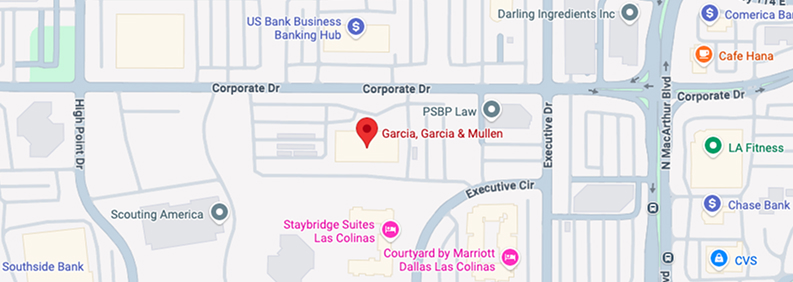 View Map/Directions



Phone: (214) 214 1000