A Dallas rideshare accident lawyer can identify every applicable insurance policy after an Uber or Lyft crash. A serious rideshare collision can leave you facing pain, missed work, and conflicting answers about whose insurance pays. Garcia, Garcia & Mullen Criminal Defense & Injury Lawyers represents passengers, drivers, pedestrians, and cyclists hurt in rideshare collisions across Dallas.
These claims turn on details most injured people never see, including what the driver's app showed at the moment of impact and which company's policy was active. Adjusters may also call early and press for a recorded statement while you are still in treatment. Call (214) 214-1000 to schedule a free case evaluation and let our team handle the insurers from here.
Rideshare cases demand a team that understands both serious injuries and the vehicles that cause them. Attorney Jim Mullen brings that combination to our firm: He holds a nursing degree, has worked in emergency care, and carries a commercial driver's license.
That background helps us read medical records closely and spot the gaps an insurer may use to downplay a claim. His work has also earned peer recognition, including the Texas Trial Lawyers Association Presidential Recognition Award and the Dallas Trial Lawyers Association Inaugural Service to the Community Award in 2020.
Our personal injury practice in Irving represents people hurt in crashes throughout Dallas. As your rideshare accident lawyer in Dallas, we handle the claim on a contingency fee basis, and your first case evaluation is free. When an insurer disputes fault or minimizes your injuries, we challenge it with records, data, and testimony.
Dallas recorded 26,109 crashes in 2024, according to TxDOT's 2024 crash report for Texas cities. Those crashes included 207 fatal collisions that took 227 lives. Another 906 crashes caused 1,081 suspected serious injuries, the second-highest count of any Texas city after Houston.
The report does not separate rideshare collisions from other crashes. Every Uber and Lyft trip in Dallas still shares the same roads, traffic, and risks reflected in those numbers. When a rideshare trip ends in a serious injury, the insurance questions are more complex than in a typical car wreck.
No lawyer can honestly value your case before reviewing the evidence. Value depends on your injury severity, medical costs, lost income, and how the crash changed your daily life. In a rideshare case, it also depends on which insurance policy applied at the time of the collision.
Chapter 1954 of the Texas Insurance Code ties required coverage to what the driver was doing on the app:
Both ride types also require uninsured or underinsured motorist coverage and personal injury protection where Texas law requires them. These amounts are minimums, not limits on what your injuries are worth. We look for every policy that may apply, including the other driver's coverage and your own.
Compensation in a rideshare injury claim may cover both financial losses and the personal toll of the crash. The applicable categories depend on your injuries and the evidence. We document each one with bills, pay records, medical opinions, and testimony from the people who know you best.
Economic damages may include:
Non-economic damages may include:
When a crash takes a life, surviving family members may have a separate wrongful death claim for their own losses.
Possibly. Under Texas Civil Practice and Remedies Code § 33.001, an injured person cannot recover damages if their percentage of responsibility is greater than 50%.
Insurers know this rule well, and they may try to shift blame onto you to reduce or eliminate what they pay. Drivers, cyclists, and pedestrians hit by a rideshare vehicle can face these arguments. We answer them with app records, video, crash reports, and witness statements.
More than one party may share responsibility for a ridesharing collision. Depending on the facts, responsible parties can include:
Holding Uber or Lyft directly responsible is harder. Texas Occupations Code § 2402.114 treats a driver as an independent contractor, not an employee, when the company meets certain conditions and both sides agree in writing. That status can limit claims that the company answers for the driver as an employer, but it does not remove the insurance the law requires.
Rideshare evidence sits on company servers, in insurer files, and on phones. Our team works to secure it early and build the claim around it:
Our Irving rideshare accident lawyer team handles similar claims near our office.
In most cases, you have 2 years. Under Texas Civil Practice and Remedies Code § 16.003, you must file a personal injury lawsuit no later than 2 years after the cause of action accrues. In a wrongful death case, the cause of action accrues on the date of death, and the same 2-year limit applies.
Evidence can fade long before that deadline, so early action matters.
Sometimes. Texas law may treat rideshare drivers as independent contractors, which can limit your ability to sue the company directly. The insurance required while a driver is logged on or on an accepted ride may still cover your injuries when that driver caused the crash.
Texas allows personal auto insurers to exclude coverage while a driver is logged on to a rideshare app or on an accepted ride. The rideshare company's coverage does not depend on that insurer denying the claim first. If the driver's rideshare policy lapses or falls short, the company must provide the required coverage starting with the first dollar of the claim.
Then rideshare coverage rules don't apply, and the driver's personal policy and any other available coverage come into play. App status can become a point of dispute after a crash. The log-on and log-off records the company must provide can answer that question with data instead of memory.
Garcia, Garcia & Mullen handles rideshare accident claims on a contingency fee basis. Under that arrangement, attorney fees may be paid from a recovery according to the agreement you sign, and we explain those terms before you commit. Your first case evaluation is free.
Yes. Since September 1, 2025, Texas has treated an automated motor vehicle as a rideshare driver for purposes of the insurance requirements in Chapter 1954. Crashes involving driverless vehicles can also raise questions about design and software, and we investigate those issues too.
You can report the crash, but think carefully before giving a recorded statement. Adjusters work for the insurer, and offhand comments about your pain or the collision may be used later to dispute your claim. Let our team handle those conversations for you.
Uber, Lyft, and their insurers have lawyers protecting their interests. You deserve a Dallas rideshare accident lawyer who protects yours. Garcia, Garcia & Mullen Criminal Defense & Injury Lawyers investigates app data, insurance coverage, and every party's role, then pursues the compensation available under Texas law.
Early action gives our team time to request app records before key evidence becomes harder to obtain. Call (214) 214-1000 today to schedule your free case evaluation with our team.


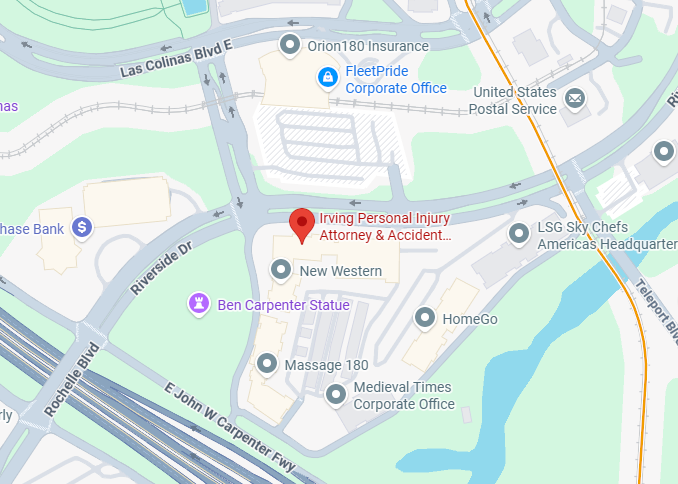 View Map/Directions



Phone: (214) 214 1000
Phone: (214) 214 1000